
Heating, ventilation, and air conditioning
What Does HVAC Stand For?
HVAC stands for heating, ventilation, and air conditioning. It refers to the systems that regulate and move heated and cooled air throughout residential and commercial buildings, from homes to offices to indoor stadiums. Although there are many options when it comes to HVAC systems, they all work similarly, taking in fresh air and using a mechanical ventilation system to heat or cool it to a desired temperature.
HVAC units also can control humidity levels and improve air quality through air cleaners that capture bacteria, spores, and virus-sized particles. The HVAC technician who comes to your home for a pre-installation evaluation will help you determine which system and options are best for you and your home. At the most basic level, an HVAC system takes in air, cools or heats that air, and blows it into an indoor space, according to the American Society of Heating, Refrigerating and Air-Conditioning Engineers. That space could be a specific room or an entire building or structure, such as a house, office, school, airport, or even a submarine. An individual component of an HVAC system may serve dual purposes. For example, your home could have a separate air conditioner and furnace, or a heat pump for both cooling and heating.

What is Air Conditioning
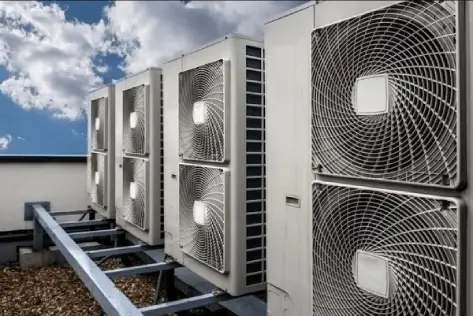
A standard air conditioner or cooling system uses a specialized chemical called refrigerant, and has three main mechanical components: a compressor, a condenser coil and an evaporator coil. These components work together to quickly convert the refrigerant from gas to liquid and back again.
What are the 3 types of air conditioning system?
-
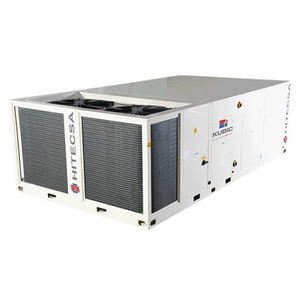
Ducted Air Conditioning.
-
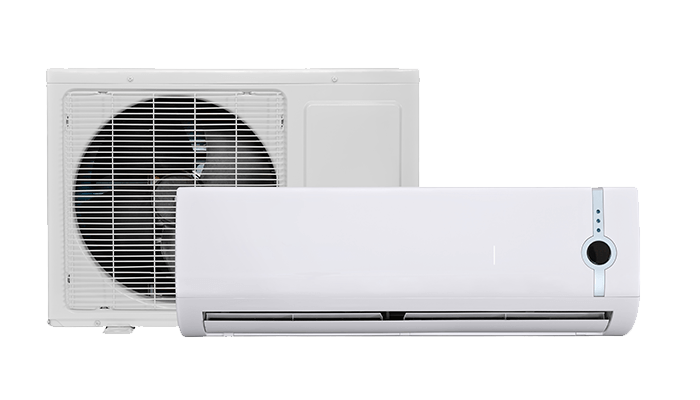
Split System Air Conditioning.
-
Multi Split Air Conditioning.
What is ventilation and its importance?
Ventilation is mainly used to control indoor air quality by diluting and displacing indoor pollutants; it can also be used to control indoor temperature, humidity, and air motion to benefit thermal comfort, satisfaction with other aspects of the indoor environment, or other objectives.

There are three main types of industrial ventilation:
-
Natural Ventilation.
-
Diluting General Ventilation.
-
Exhaust Ventilation.
What are the three purposes of ventilation?
Provide a continuous supply of fresh outside air. Maintain temperature and humidity at comfortable levels. Reduce potential fire or explosion hazards.

Trusted Partners


Get A Quote Today
At vero eos et accusamus et iusto odio dignissimos ducimus qui blanditiis praesentium voluptatum deleniti atque corrupti quos dolores et quas.